



Odabir dobavljača pletiva: Što provjeriti prije prve masovne narudžbe
Vaša prva masovna narudžba od novog dobavljača pletiva ne bi trebala biti puka vjera. Uzorak džempera koji izgleda dobro na fotografiji još uvijek može stići mjesecima kasnije s nejednakom gustoćom uboda, labavom pređom koja lebdi ili bojom koja se razlikuje u različitim veličinama. Ti kvarovi obično počinju prije nego što je tkanina ispletena, a ne u fazi šivanja. O njima odlučuje dobavljačev odabir pređe, postavljanje stroja, rutina završne obrade i disciplina inspekcije. Odaberite dobavljača pletenine koji dosljedno kontrolira te četiri varijable i najveći dio rizika kvalitete uklanja se prije početka proizvodnje.
Što pouzdani dobavljač trikotaže kontrolira
Pletenina se oblikuje pletenjem, a ne rezanjem i šivanjem ravnih ploča, tako da se svaki problem kvalitete može povezati s proizvodnim parametrom. Dobavljač koji ne može objasniti te parametre vjerojatno ih neće kontrolirati.
- Izbor pređe. Sastav vlakana, broj pređe i slojevi određuju opip, draženje i skupljanje gotovog odjevnog predmeta. Zatražite specifikaciju pređe i broj serije boje. Ako ih dobavljač ne može osigurati, vaša sljedeća serija neće odgovarati originalnom uzorku.
- Strojni mjerač. Mjerač je broj igala po inču. Debeli džemper broja 7, pulover srednje težine 12 i fina majica bez rukava 16 trče na različitim strojevima. Potvrdite da će dobavljač dodijeliti mjerač koji vaš dizajn zahtijeva umjesto korištenja bilo kojeg stroja koji je slobodan.
- Završna obrada. Tretmani pranja, omekšavanja i sprječavanja nakupljanja pretvaraju sirovu pletenu tkaninu u odjevni predmet s vrhunskim osjećajem za ruke. Dobavljač koji preskoči ove korake isporučuje džempere koji su kruti i mršavi nakon nekoliko nošenja.
- Konstrukcija i povezivanje. Povezani šavovi znak su pravilne konstrukcije pletiva. Provjerite kako su točke naprezanja kao što su ramena, otvori za ruke i manšete ojačane na težim modelima.
- Inspekcija. Inline provjere tijekom pletenja i konačna inspekcija prije pakiranja, idealno pod uzorkovanjem AQL 2.5, otkrivaju nedostatke dok ih je još jeftino ispraviti.
Najjednostavniji način tlačnog ispitivanja ovih točaka je usporedba uzorka prije proizvodnje s referentnim uzorkom na mjernom stolu. Završene mjere, gustoća uboda i rezultati testa pranja govore vam više o dobavljaču nego bilo koja stranica kataloga.
| Kontrolna točka | Što provjeriti | Crvena zastava |
|---|---|---|
| Nabavka pređe | Sastav vlakana, broj pređe, broj serije boje | Nema dostupnih tehničkih podataka |
| Strojni mjerač | Promjer odgovara projektiranoj težini | Jedan mjerač koji se koristi za svaki stil |
| Završna obrada | Program pranja, anti-pilling, test skupljanja | Nema rezultata testa pranja |
| Izgradnja | Spojeni šavovi, ojačane točke naprezanja | Ravni šavovi na stilovima teškog pletiva |
| Inspekcija | Inline provjere plus konačno AQL 2.5 uzorkovanje | Nema evidencije o inspekciji |
| Uzorkovanje | Referentni uzorci, uzorci prije proizvodnje i otprema | Kvaliteta uzorka razlikuje se od mase |
Također vrijedi prikupiti trgovačke reference. Marka koja proizvodi sličnu siluetu reći će vam kako se dobavljač ponaša pod stvarnim pritiskom narudžbe, a ne samo koliko se dobro predstavlja na pregledu uzorka.
MOQ, vrijeme isporuke i stvarni proizvodni kapacitet
Većina dobavljača pletiva postavlja minimalne količine između 200 i 500 komada po boji, po stilu i navodi vrijeme dostave od 45 do 75 dana nakon odobrenja uzorka. Brojke se mijenjaju s dostupnošću pređe i sezonom, pa je važnije pitanje što se događa s vašom narudžbom kada je tvornica zauzeta. Pitajte koliko aktivnih linija ima dobavljač, kako se raspoređuju nove narudžbe tijekom vrhunca sezone i koji se lijek primjenjuje kada datum isporuke pomakne.
Vlasništvo nad tvornicom mijenja odgovor na ta pitanja. Dobavljač s namjenskim proizvodnim podom ima izravnu kontrolu nad planiranjem kapaciteta, kontinuitetom serije boja i datumima otpreme. Changshu Sofia Sweater, primjerice, proizvodi pletivo na 9600 četvornih metara tvornica gdje se 150 zaposlenika bavi muškim, ženskim i dječjim stilovima. Ako umjesto toga nabavljate preko trgovačke tvrtke, provjerite koja će biljka zapravo isplesti vašu narudžbu i potvrdite raspored te tvornice u pisanom obliku prije nego što platite depozit.
Postavite prava pitanja o pređi i materijalima
Pređa je najveća varijabla cijene i kvalitete pletiva. Mješavina vune i pamuka, pletena merino pređa i mješavina poliestera ponašaju se drugačije u perilici i tijekom pranja. Dobijte potvrdu ovih pojedinosti prije nego što odobrite uzorak:
- Je li pređa prethodno skupljena ili tretirana za strojno pranje? Prirodna vlakna poput vune i pamuka skupljaju se osim ako završni sloj nije izrađen prema uputama za njegu na vašoj etiketi.
- Što je zaokret i sloj? Nisko upredena pređa je mekša na dojam, ali je brža, dok veća upredenost dodaje izdržljivost po cijenu mekoće.
- Je li šarža stabilna? Dvije serije iste boje trebaju imati isti broj serije boje. Mješovite serije boja najčešći su uzrok sjenčanja boje u pošiljci.
- Jesu li mješavine dokumentirane? Postotak najlona, spandexa ili drugih vlakana mijenja rastezanje i oporavak. Stavite kompoziciju u narudžbenicu.
Ako je održivost važna za vašu marku, raspitajte se je li pređa certificirana prema OEKO-TEX, GOTS ili sličnom standardu i može li tvornica pružiti te certifikate. Za programe s vunom ili kašmirom također se raspitajte o iskustvu dobavljača s inženjeringom vlakana i optimizacijom dodira. Ono što se čini kao vrhunska tkanina obično je rezultat kontrolirane konstrukcije pređe i specifičnog slijeda završne obrade, a ne slučajnost.
Pročitajte ponudu proizvoda kao izjavu o mogućnostima
Dobavljačev postojeći asortiman proizvoda jedan je od najiskrenijih signala onoga što može isporučiti u velikom obimu. Pleteni pulover s dolčevitom, pleteni kardigan s krznenim ovratnikom i majica s v-izrezom finog kroja zahtijevaju različite brojeve pređe, strojne debljine i programe završne obrade. Kada dobavljač pletiva već ima sva tri proizvoda u vlastitom pogonu, pokazao je fleksibilnost o kojoj će vaš brend ovisiti kada dodate sezonske stilove.
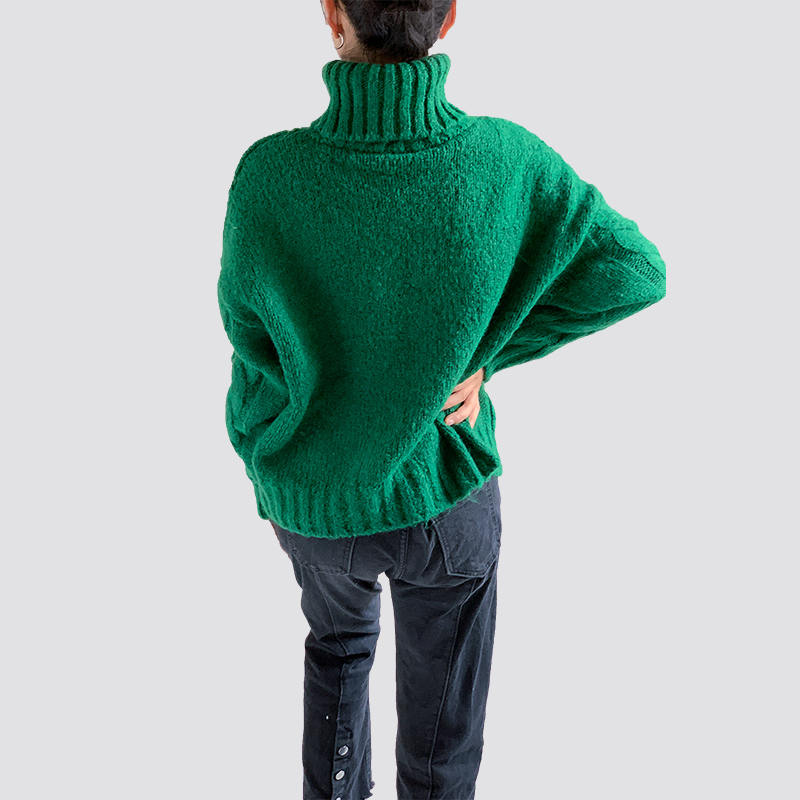 Zeleni kabelski pulover s dolčevitom Ovaj kabelski pleteni pulover s dolčevitom ističe sposobnost dobavljača da se nosi s različitim konstrukcijama ovratnika i uzorcima šavova, što ga čini pouzdanim temeljnim komadom za sezonske programe pletiva. Pogledajte proizvod →
 Puloveri imaju najširi raspon silueta, dekoltea i struktura šavova, stoga su srž većine programa pletiva. Dolčevite, okrugli ovratnici i V-izrezi stvaraju različite zahtjeve za konstrukcijom ovratnika, a dobavljač s provjerenim linijama pulovera će ih riješiti bez redizajniranja procesa od nule.
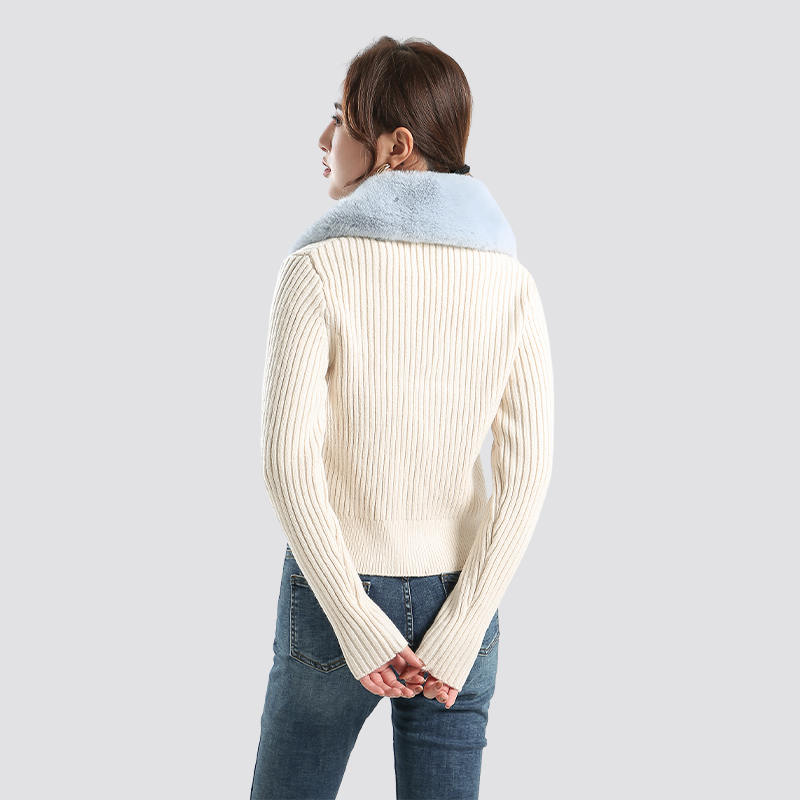 Pleteni kardigan s krznenim ovratnikom Kardigan s krznenim ovratnikom pokazuje napredne vještine završne obrade kao što su konstrukcija džepova i revera, signalizirajući jake odjele za povezivanje i glačanje za uglađenu kvalitetu odjeće. Pogledajte proizvod →
 Kardigani dodaju još jedan sloj složenosti s džepovima za gumbe, reverima i završecima rubova. Tvornica koja proizvodi kardigane dosljedno nastoji imati jake odjele za povezivanje i glačanje, koji su važni koliko i tkanina za konačni izgled stila.
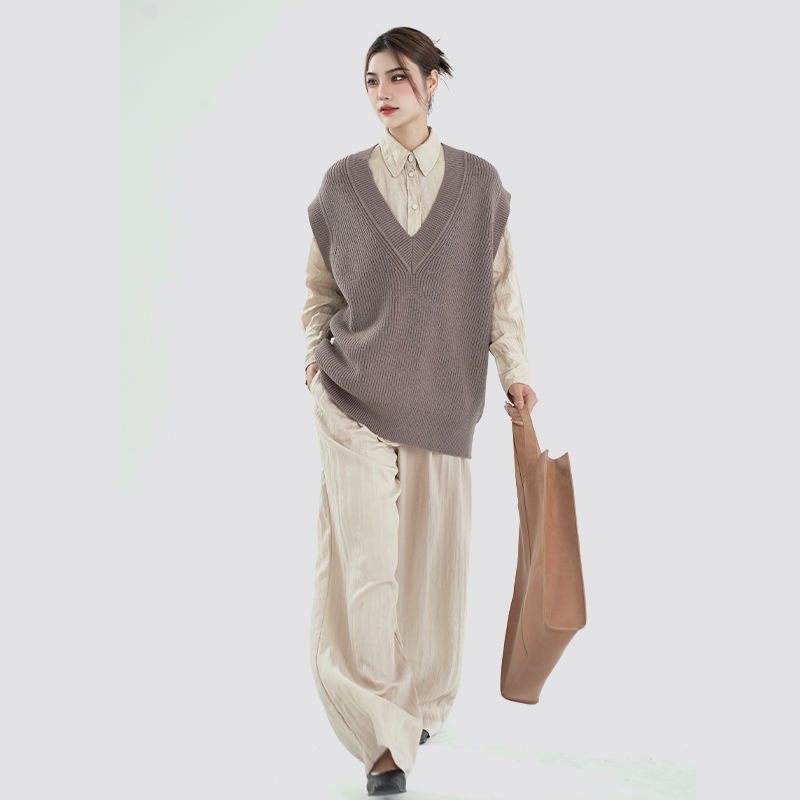 Pletena majica bez rukava s V-izrezom Ova široka majica bez rukava s V-izrezom testira kontrolu mjerača i otkriva probleme s napetostima, idealna za procjenu preciznosti dobavljača prije nego što se posveti punom sezonskom asortimanu. Pogledajte proizvod →
 Majice bez rukava i prsluci koristan su test kontrole tjelesne težine, jer svjetlije pletivo brzo otkriva probleme s napetostima i iskrivljenjem oblika. Ako planirate puni sezonski asortiman, potražite dobavljača koji može pokriti pulovere, kardigane, majice bez rukava, suknje i pletene hlače pod jednim krovom, tako da se kvalitetom, komunikacijom i isporukom upravlja u jednoj liniji odgovornosti.
Kako započeti s novim dobavljačem pletiva
Počnite s jednim stilom i jednom bojom radije nego s punom linijom. Zatražite referentni uzorak, zatim uzorak predprodukcije pleten od točne pređe i debljine koji će se proizvoditi u rinfuzi. Potvrdite rezultate testa skupljanja i gotova mjerenja za svaku veličinu. Ako dobavljač podnese ove korake bez problema, možete proširiti program u sljedećoj sezoni.
Prije nego što se obvežete, pošaljite svoj tehnički paket, ciljnu cijenu i potrebno vrijeme isporuke dobavljaču putem kontakt stranica . Tvornica koja odgovara specifičnim pitanjima o broju pređe, debljini, završnoj obradi i pakiranju je ona koja ispravno planira proizvodnju, što je upravo ono ponašanje koje želite iza skupne narudžbe.
Pravi dobavljač pletenine je onaj koji vaš referentni uzorak i vašu masovnu pošiljku tretira kao isti proizvod. Provjerite pojedinosti, postavite konkretna pitanja i veća je vjerojatnost da će vaša prva narudžba stići na vrijeme, u mjeri i unutar tolerancije.
Preporučeni proizvodi
-
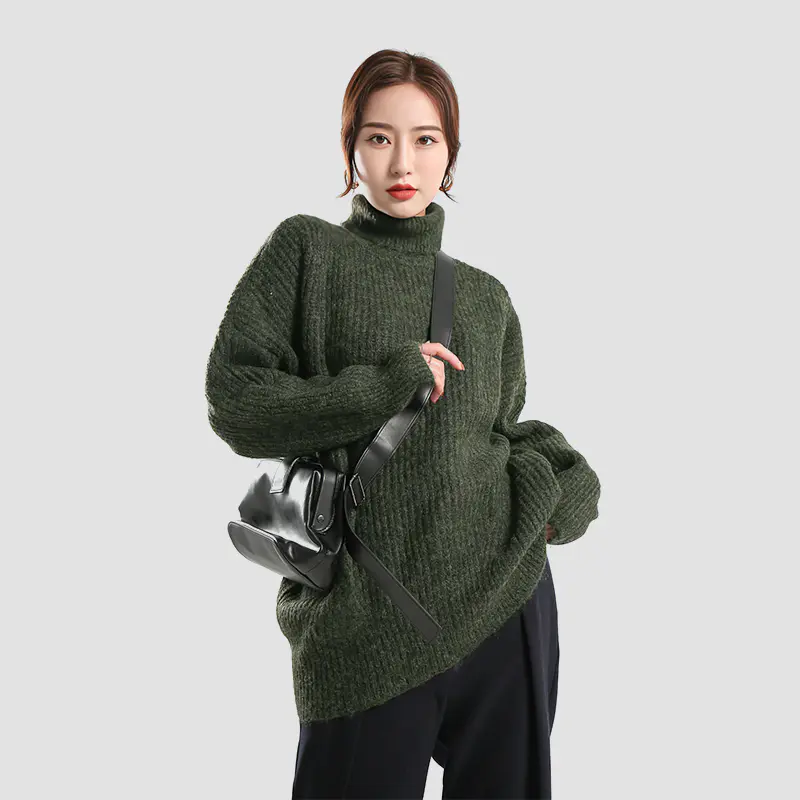
Tamnozeleni vuneni pulover od kašmira na dodir
-
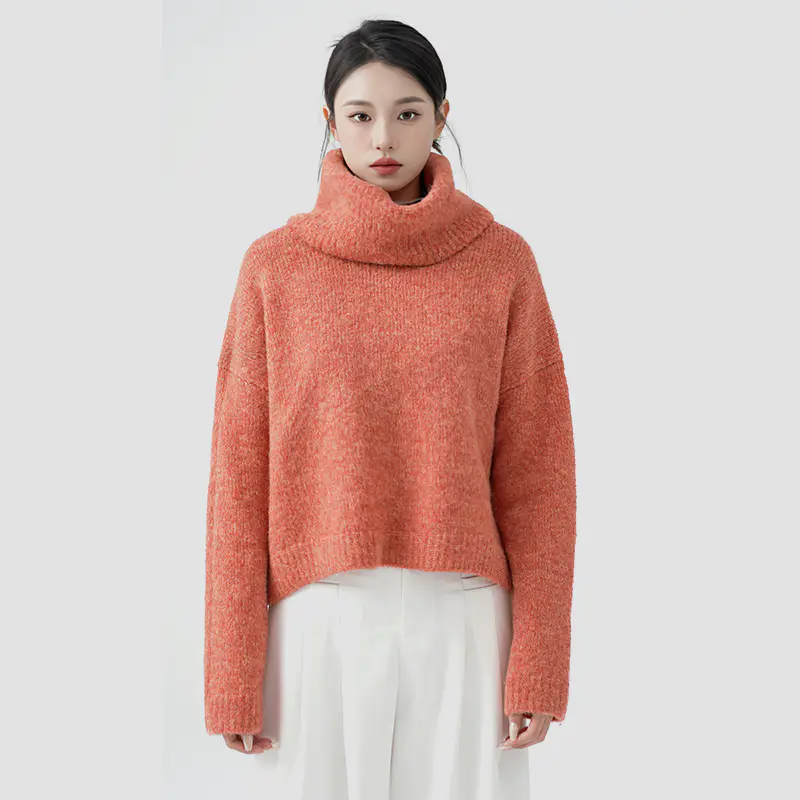
Narančasti pulover širokog ovratnika
-
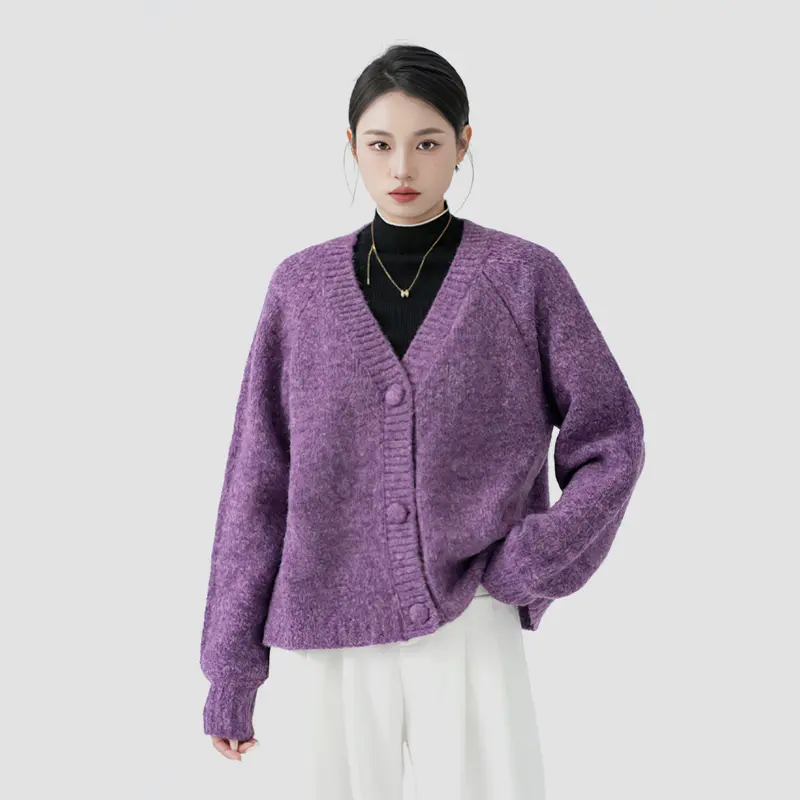
Romantični ljubičasti kardigan
-
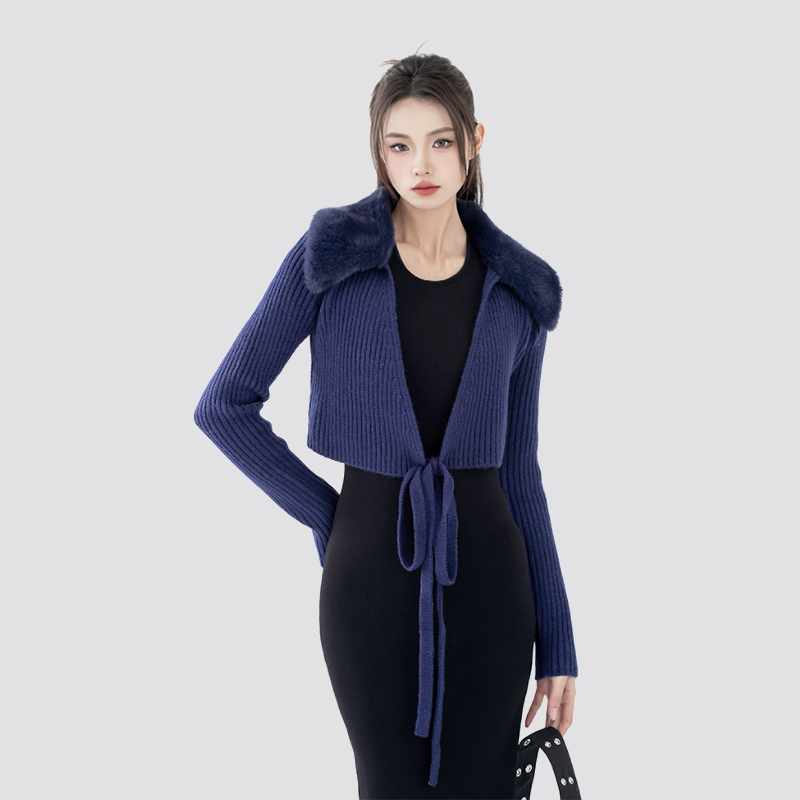
Krzneni kardigan na rever na vezanje
-

Izrezana pletena majica bez rukava
-
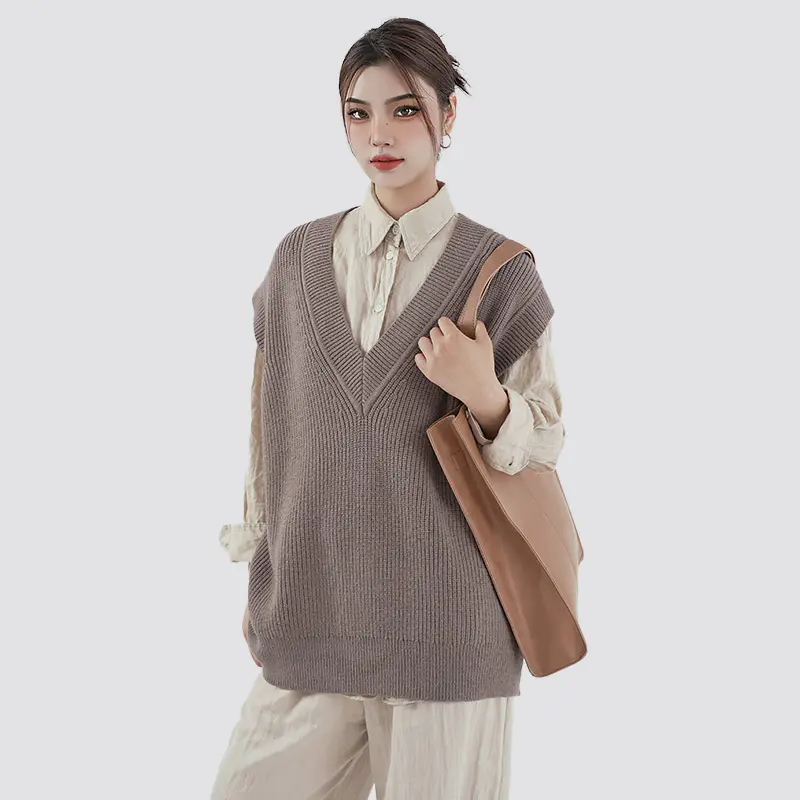
Pletena majica bez rukava s V-izrezom
-

Swing džemper haljina sa stegnutim strukom
-
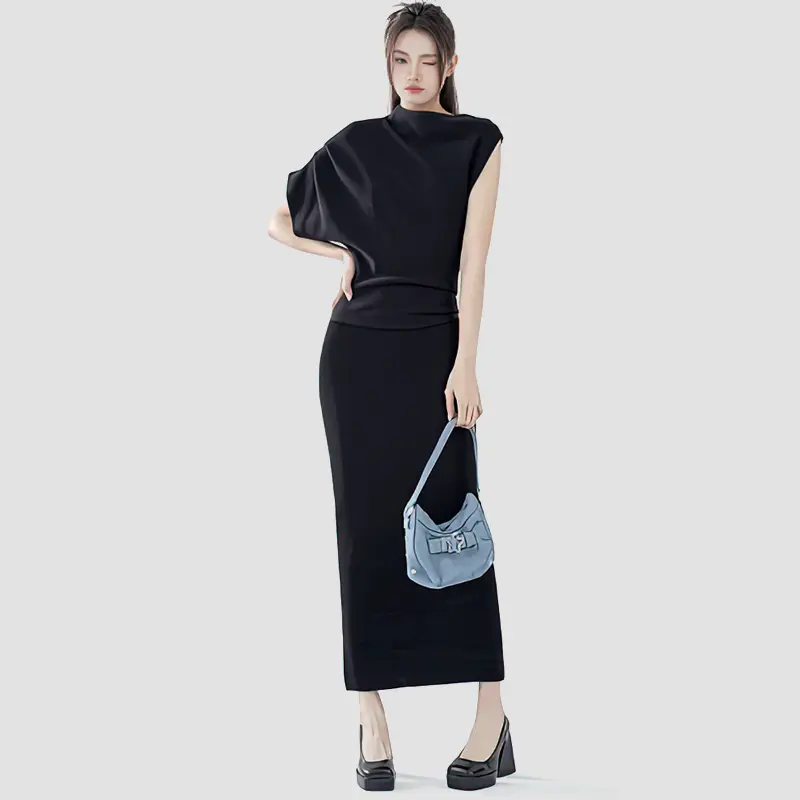
Elegantna asimetrična pletena duga haljina
-
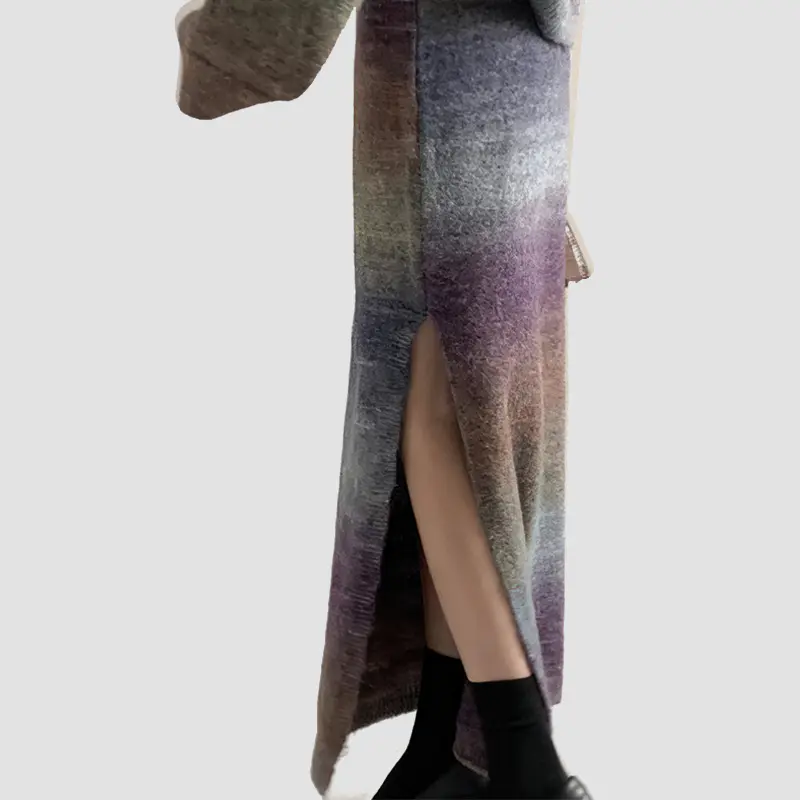
Poluduga suknja s bočnim razdjeljkom u boji gradijenta
-
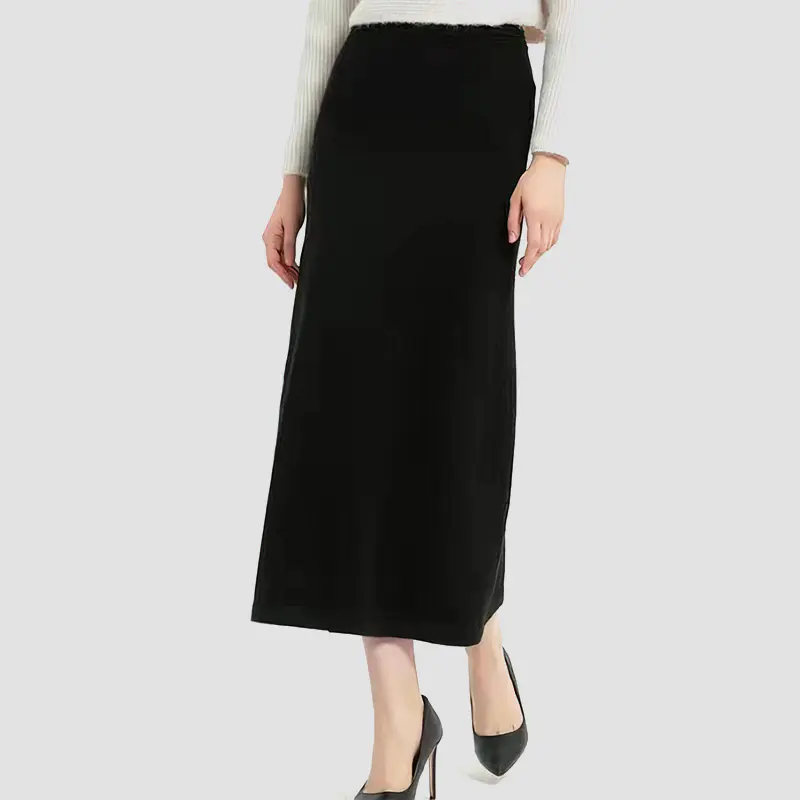
Crna suknja A kroja
-
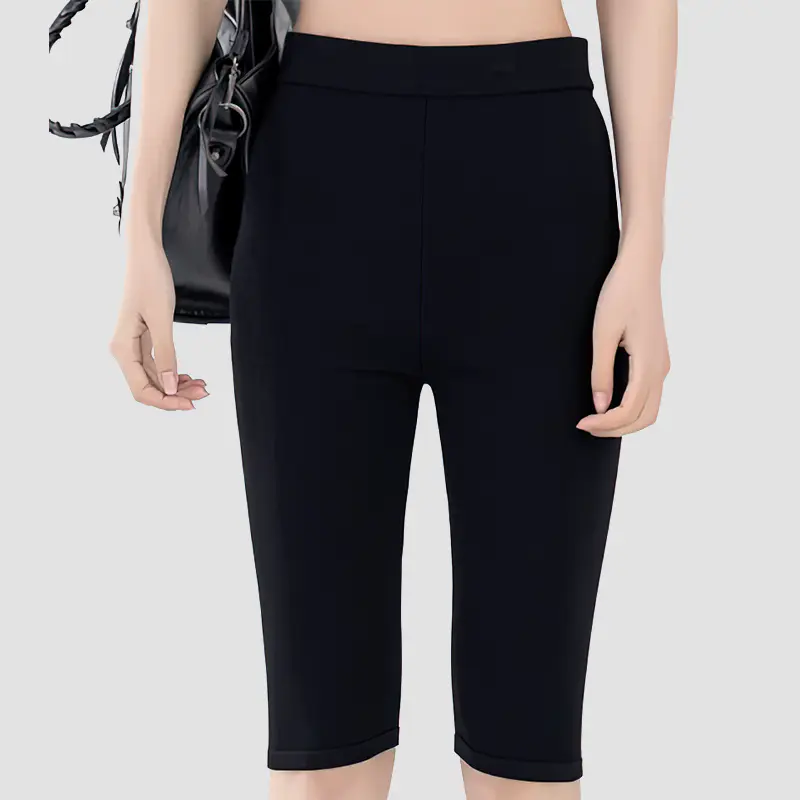
Tajice od tanke ledene svile za mršavljenje
-
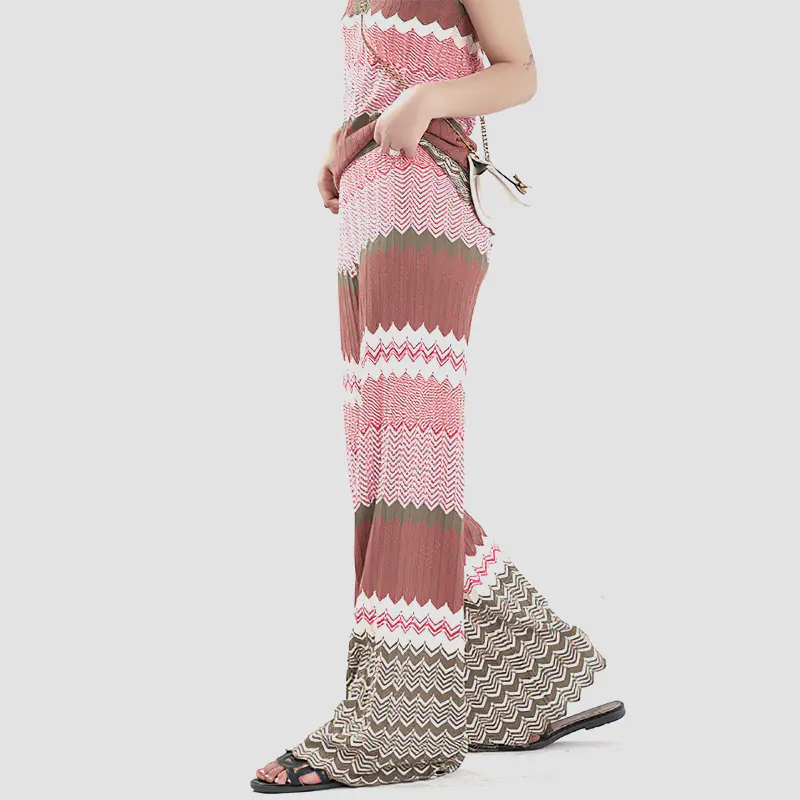
Široke hlače s drapiranim prugama
-

Tel: +86-13913661100
-

Email: frank@sofiafashion.com
-

Add: No.886, Minfeng Road, Xushi Street, Dongbang Town, Changshu, Jiangsu, Kina
© 2023 Sofijska grupa. All rights reserved
